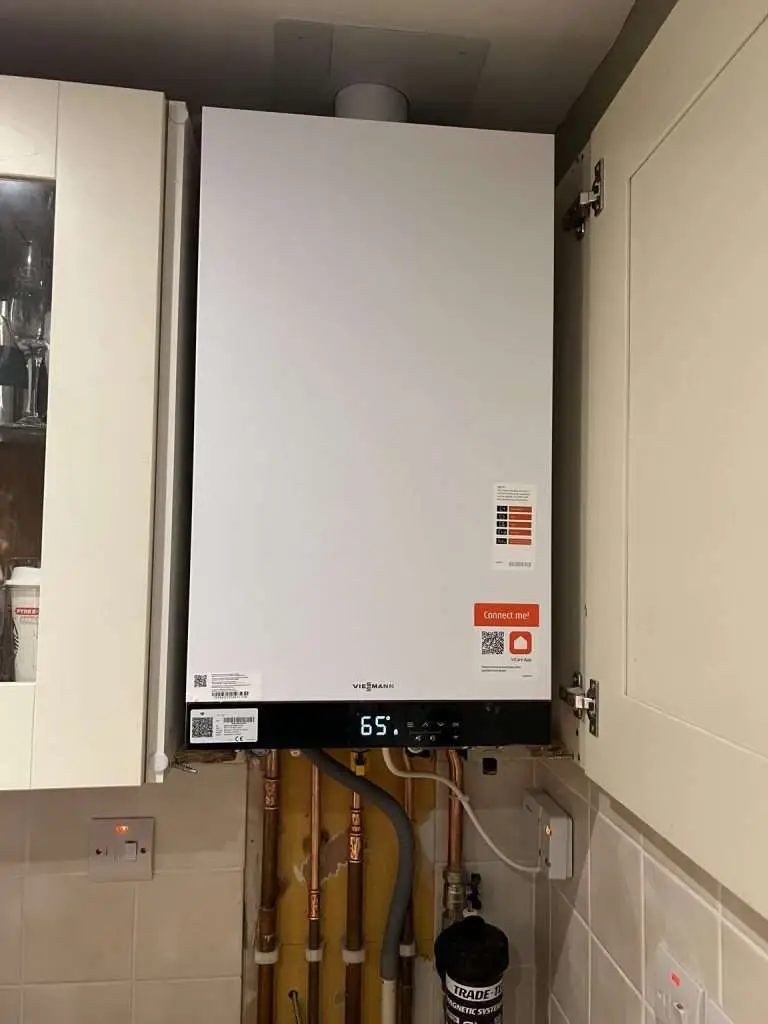
How to Stop Your Boiler Breaking Down This Winter: A Bath Homeowner’s Checklist
Quick answer: Most winter breakdowns are avoidable. Get the boiler serviced before the cold sets in, check the pressure sits between 1 and 1.5 bar, bleed any radiators that are cold at the top, lag any pipes in cold spots, and know where your condensate pipe runs outside. Ten minutes of checks now saves a cold house and a call-out in January.
Right, so this is the time of year my phone starts ringing. The first cold week comes, everyone turns the heating up at once, and a boiler that’s been sat quiet all summer suddenly has to work flat out. Plenty of the ones that let people down were showing a warning sign weeks earlier.
Here’s the checklist I’d run through in my own house.
In this guide:
- 1. Get it serviced before the rush
- 2. Check the pressure
- 3. Run the heating now, not in December
- 4. Bleed cold radiators
- 5. Find your condensate pipe
- 6. Lag pipes in cold spots
- 7. Going away? Leave it on low
- 8. Test your carbon monoxide alarm
- 9. Know where things are
- 10. Don’t ignore the warning signs
- FAQs
1. Get your boiler serviced before the rush
This is the big one. A service catches the small stuff before it turns into a breakdown: a sticky part, a worn seal, a blocked condensate trap, combustion that’s drifted out. It’s also when I check the boiler is burning safely.
Book it for autumn if you can. By December every engineer in Bath is chasing breakdowns, and getting a routine service in becomes harder.
Our standard boiler service is £95 + VAT (£114 including VAT), and the price is confirmed before we start. Most manufacturers also need a yearly service to keep the warranty valid, so it protects that too. If you’d rather spread the cost, the service is included in all our care plans.

2. Check the boiler pressure
Look at the gauge on the front of the boiler with the heating off and cold. You want it between 1 and 1.5 bar.
- Below 1 bar: top it up using the filling loop (usually under the boiler). Open it slowly, watch the gauge reach about 1.5, then close it.
- Keeps dropping: once or twice a year is normal. Every week isn’t. That’s a leak or a tired part. I’ve written a full guide on why a boiler keeps losing pressure.
- Above 2.5 bar when hot: usually the filling loop’s been left open, or the expansion vessel needs looking at.
3. Run the heating now, not in December
Put the heating on for half an hour on a mild day before you actually need it. Parts that haven’t moved all summer (pumps, valves) can stick. You want to find that out on a bright October afternoon, not on the first frosty night when everyone else is ringing round too.
While it’s running, listen. Banging, gurgling or a kettle-like rumble from the boiler is worth mentioning to an engineer.
4. Bleed radiators that are cold at the top
Feel each radiator once the heating’s been on for a while.
- Cold at the top, warm at the bottom: that’s air. Turn the heating off and let the radiators cool first, then bleed it with a radiator key (hold a cloth under the valve) until water comes out, and close it. Check the boiler pressure afterwards, as bleeding drops it.
- Cold at the bottom, warm at the top: that’s usually sludge, not air. Bleeding won’t fix it. That’s a job for a system clean.
- Cold all over: check the valve is open. If it still won’t warm up, it may be a stuck valve or the system needs balancing.
5. Find your condensate pipe
Every modern condensing boiler has a condensate pipe, usually white plastic, that carries waste water away to a drain. If it runs outside, it can freeze in a cold snap. When it freezes, the boiler stops and shows a fault.
Go outside now and find where yours runs, so you’re not hunting for it in the dark in January. If it’s a long run outside, thin, or exposed to the wind, it’s worth having it insulated or upgraded before winter. I’ve put together a separate guide on how to thaw a frozen condensate pipe safely.
6. Lag pipes in cold spots
Lofts, garages, cellars and outside walls are where pipes freeze. Foam pipe lagging from any DIY shop costs a few pounds a length and takes minutes to clip on. A burst pipe costs a lot more.
Lots of Bath homes have boilers and pipework in cellars or under old suspended floors, where it gets properly cold. Those runs are the ones to lag first.

7. Going away? Leave the heating on low
Don’t switch the boiler off at the wall if you’re away over winter. Set the heating to come on low, or use the frost setting on your thermostat if it has one (often a snowflake symbol). Most modern boilers have built-in frost protection, but it only works if the boiler still has power and gas, and it protects the boiler itself rather than every pipe in the house.
8. Test your carbon monoxide alarm
Press the test button. If you haven’t got one near the boiler and in the rooms with gas appliances, get one. They’re cheap. Carbon monoxide has no smell, and the alarm is the only warning you’ll get.
Warning signs of a boiler not burning properly: a lazy orange or yellow flame instead of crisp blue (on older boilers where you can see it), soot or black marks around the boiler, or a pilot light that keeps going out. If you see any of those, stop using it and get it checked.
Carbon monoxide symptoms are easy to mistake for flu: headaches, dizziness, nausea, tiredness, often easing when you leave the house. If the alarm goes off or you feel like that, turn the appliance off if you can, open windows, get out into fresh air and call the National Gas Emergency Service on 0800 111 999. Get medical help if anyone feels unwell.
Need a hand? If anything on this list doesn’t look right, send us a photo on WhatsApp or call 01225 970248. I’m a local Gas Safe registered engineer (622049). If it’s something simple, I’ll tell you how to sort it yourself.
9. Know where things are before you need them
- Your stopcock: usually under the kitchen sink. If a pipe bursts, this is how you stop the water.
- Your gas meter and its valve: the lever turns the gas off. It’s off when the lever is at a right angle to the pipe. If you smell gas, turn it off, open the windows, don’t touch light switches or use naked flames, get out and call the National Gas Emergency Service on 0800 111 999 from outside.
- The filling loop: so you can top up the pressure yourself.
- Your boiler’s make and model: it’s on the front or the data plate. Having it to hand speeds up any call to an engineer.
10. Don’t ignore the warning signs
Boilers rarely die out of nowhere. Get it looked at now if you’ve noticed any of these:
- Pressure dropping more than once or twice a year
- Water under the boiler, or drips from the small copper pipe on your outside wall (the pressure relief pipe). The white plastic condensate pipe dripping is normal.
- New noises: banging, whistling or gurgling
- Hot water that goes lukewarm or takes ages to come through
- Radiators that take longer to warm up than they used to
- A fault code that comes back after you reset it
Honestly, don’t panic about any of these. Most are straightforward repairs. But a small fault sorted in October is a lot cheaper and less stressful than a full breakdown on a freezing night.
Winter boiler FAQs
When should I get my boiler serviced before winter?
September to early November is ideal. You get a booking easily, and any faults are fixed before the cold weather.
Should I leave my heating on all the time in winter?
You don’t need to, but in a cold snap leaving it on low (rather than off) helps stop pipes freezing and means the boiler isn’t starting from cold.
What pressure should my boiler be at in winter?
The same as the rest of the year: 1 to 1.5 bar when cold. It will rise a bit when the heating’s on, which is normal.
Why does my boiler stop working when it’s freezing outside?
The most common reason is a frozen condensate pipe. The boiler senses the blockage and shuts down. Thawing the pipe and resetting the boiler usually gets it going again.
Is a boiler service worth it if my boiler is working fine?
Yes. A service is how faults get found before they become breakdowns, it checks the boiler is burning safely, and most manufacturers need it to keep the warranty valid.
If your boiler’s due a service or something on this list has you worried, I’ll come out, check it properly, and tell you straight what it needs. Cheers.
WhatsApp Bath Eco Heat or call 01225 970248.